Why all at once
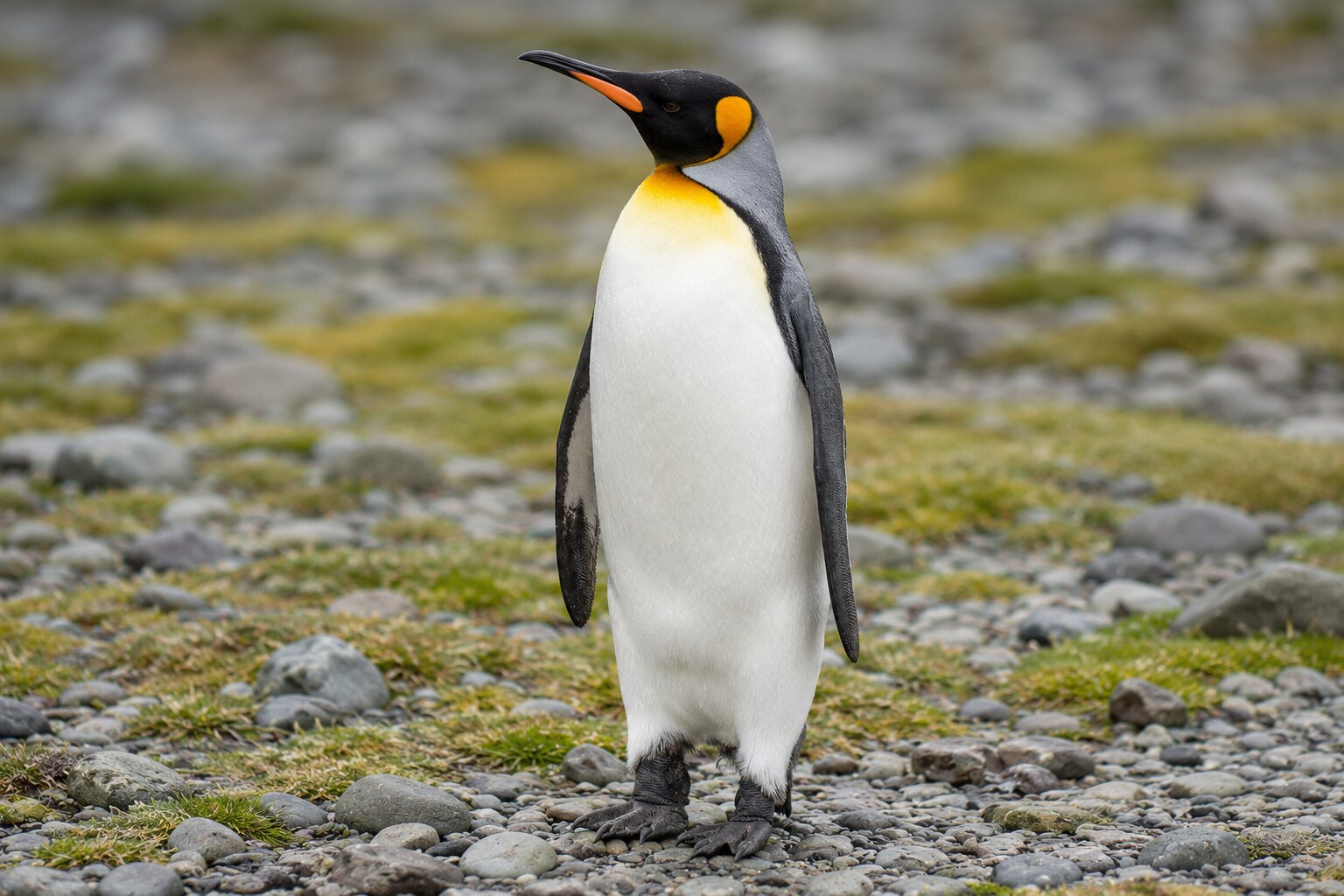
A penguin's feathers are not for flight but for survival in cold water. Packed denser than almost any other bird's, they trap a layer of warm air against the skin and keep the sea out. The moment that coat starts to fail — as feathers wear and lose their waterproofing over a year at sea — the bird loses the very thing that lets it hunt in freezing water.
Replacing feathers gradually, the way a sparrow does, would leave gaps in that coat for months, and a penguin with a leaky coat chills fast. So penguins do the opposite: they grow a whole new set of feathers underneath the old ones, which pushes the worn coat out all at the same time. For a short, intense window the bird is fully insulated again as quickly as possible.
Weeks stranded ashore
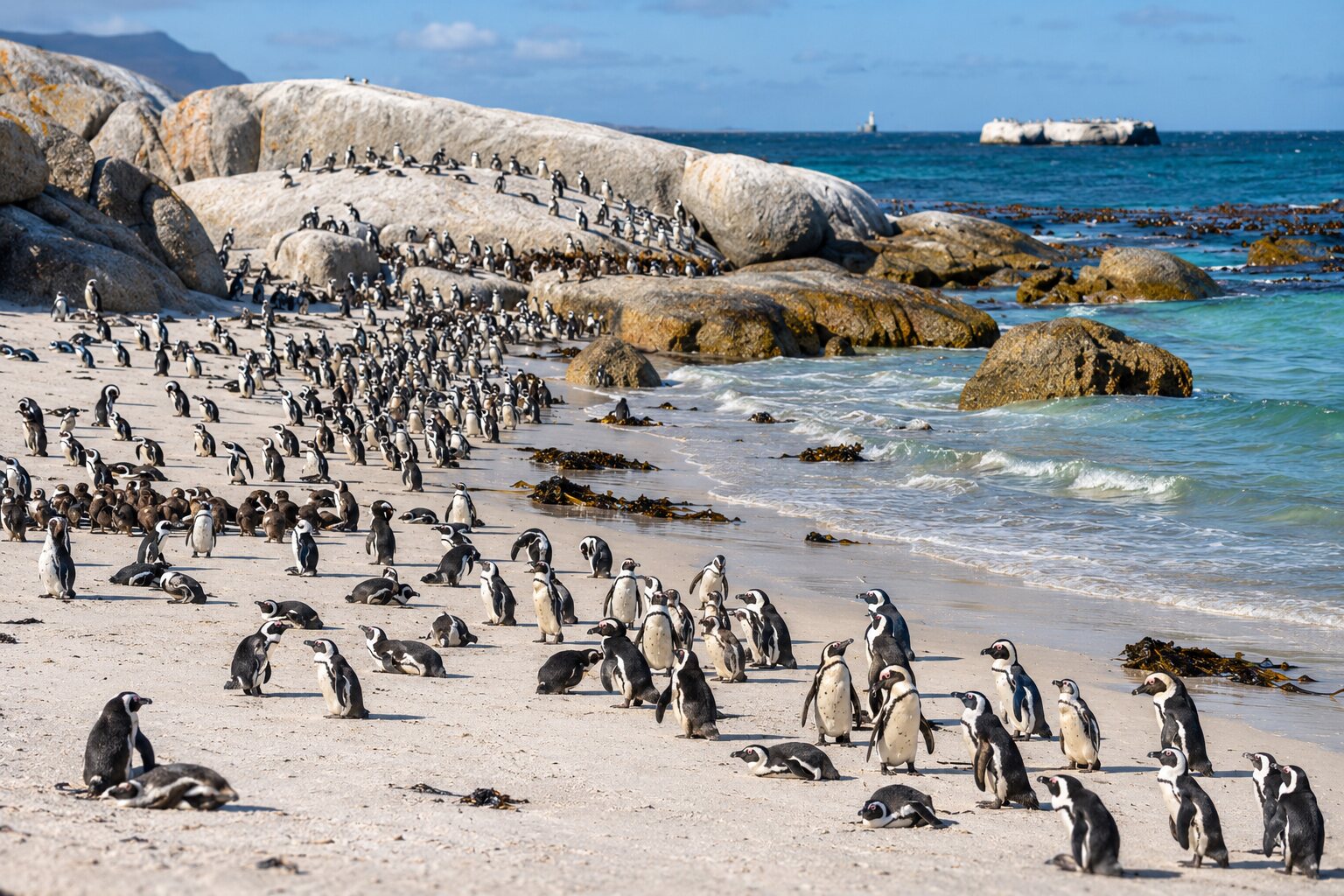
During the moult a penguin cannot enter the water — its half-shed coat would soak through and it would lose heat dangerously fast. So it stands ashore for two to four weeks, looking ragged and swollen as the new feathers force the old ones out in untidy clumps.
The whole time, it cannot feed. To survive, a penguin fattens up heavily in the weeks before, going to sea on long foraging trips to lay down reserves. It can lose nearly half its body weight over the moult, living entirely off that fat until the new coat is complete and it can return to the ocean.
A dangerous, necessary gamble
The moult is one of the most vulnerable times in a penguin's year. A bird that has not fed well enough beforehand, or that is disturbed and forced to move, can simply run out of reserves before the new coat is finished. It is why moulting penguins on a beach should always be left undisturbed — they are not sick or stranded, but in the middle of a race against their own fat stores.
Different species time the moult to fit their calendar — usually after breeding, when the chicks are independent and before the lean winter. However they schedule it, the principle is the same: get it over with fast, because a penguin out of the water is a penguin that cannot earn a living.