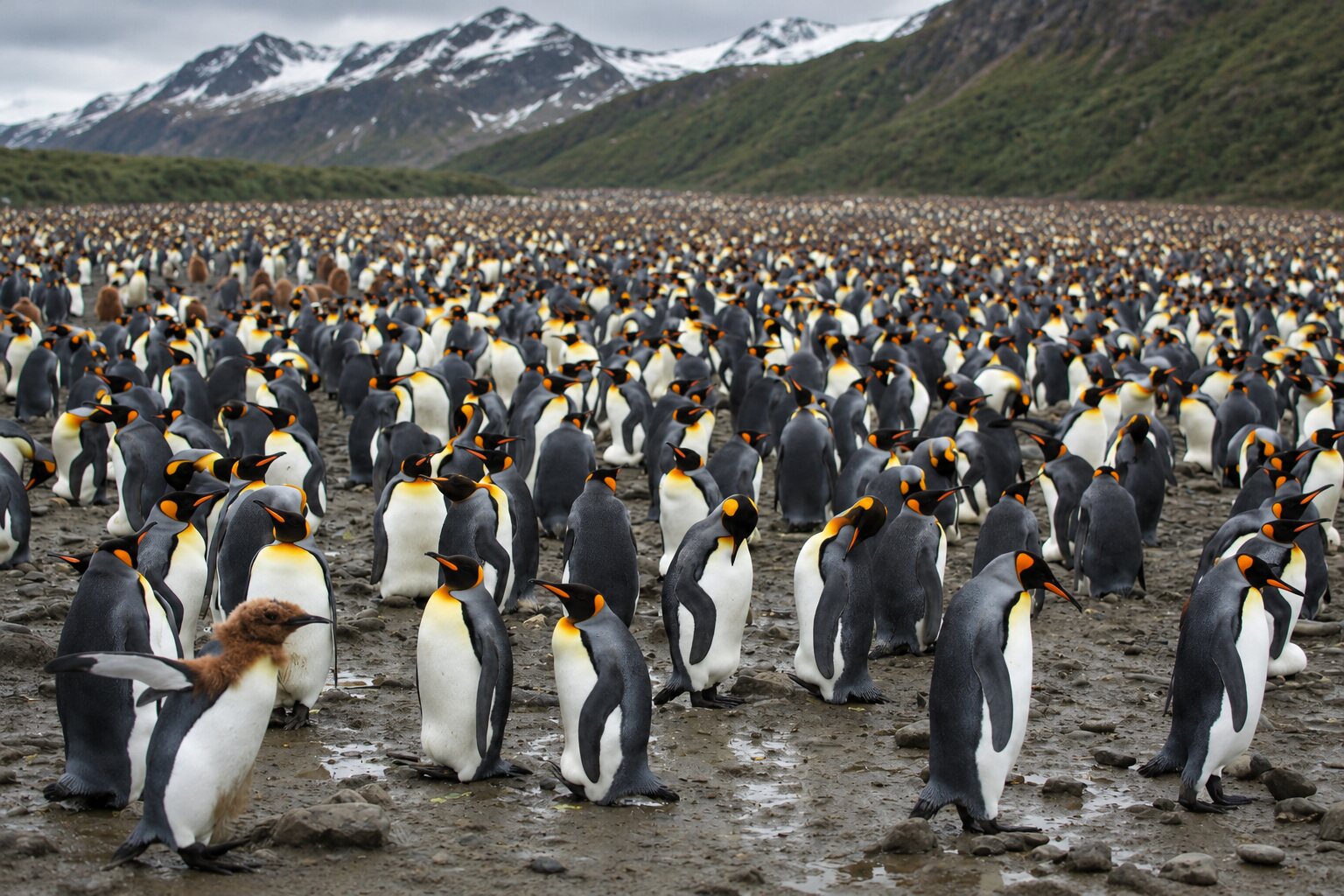
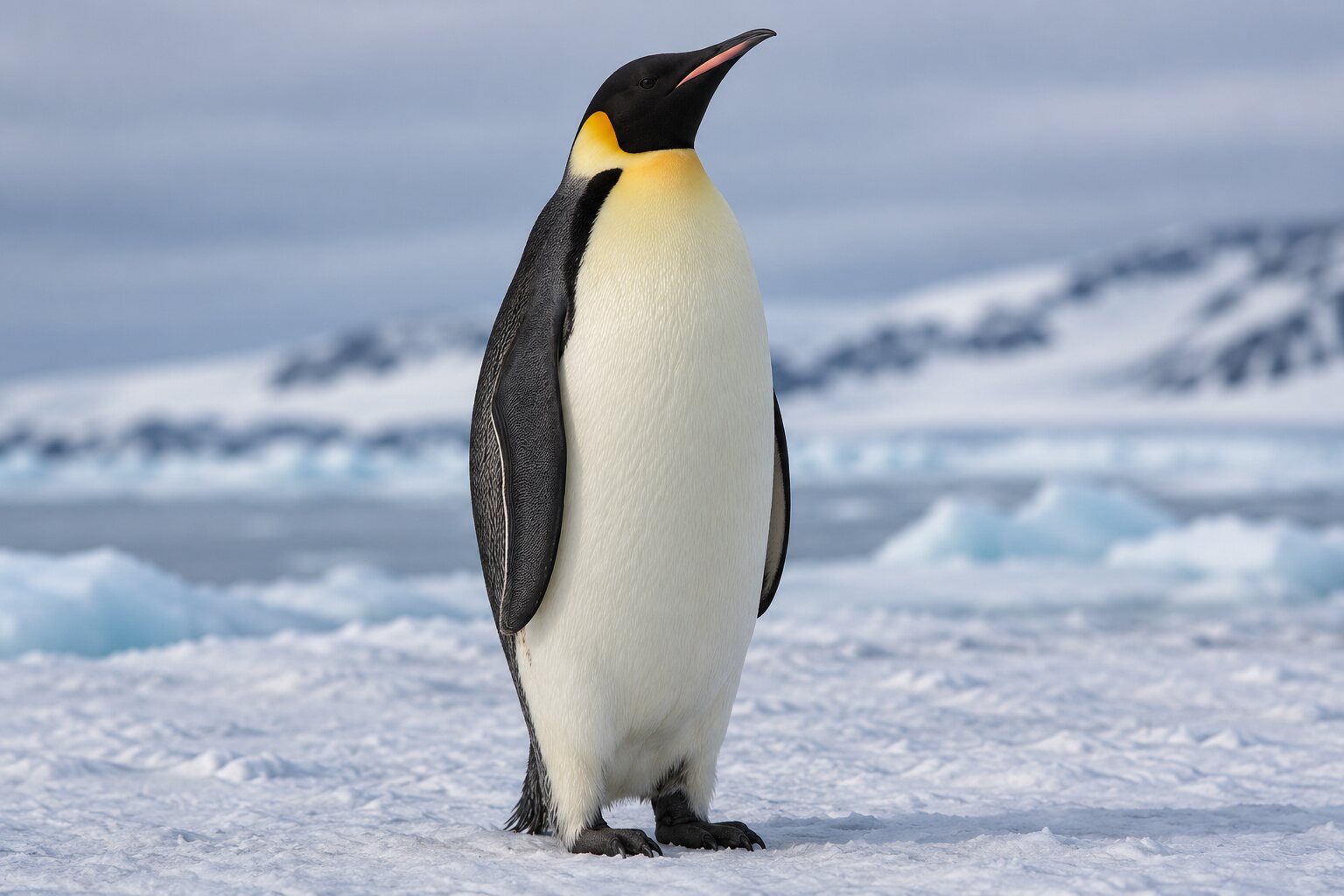
Emperor penguin
Aptenodytes forsteriThe largest penguin, and the only bird to breed on Antarctic sea ice in the depths of winter. Males incubate the egg on their feet for two months without feeding.
1.2 m tallAntarcticaNear threatened
There are eighteen living species of penguin. They share the same blueprint — a flightless, torpedo-shaped seabird built to fly underwater — yet range from the metre-tall emperor to the knee-high little penguin. Here they are, grouped by family.
The two largest species, both deep divers that raise a single chick through brutal cold.
The largest penguin, and the only bird to breed on Antarctic sea ice in the depths of winter. Males incubate the egg on their feet for two months without feeding.
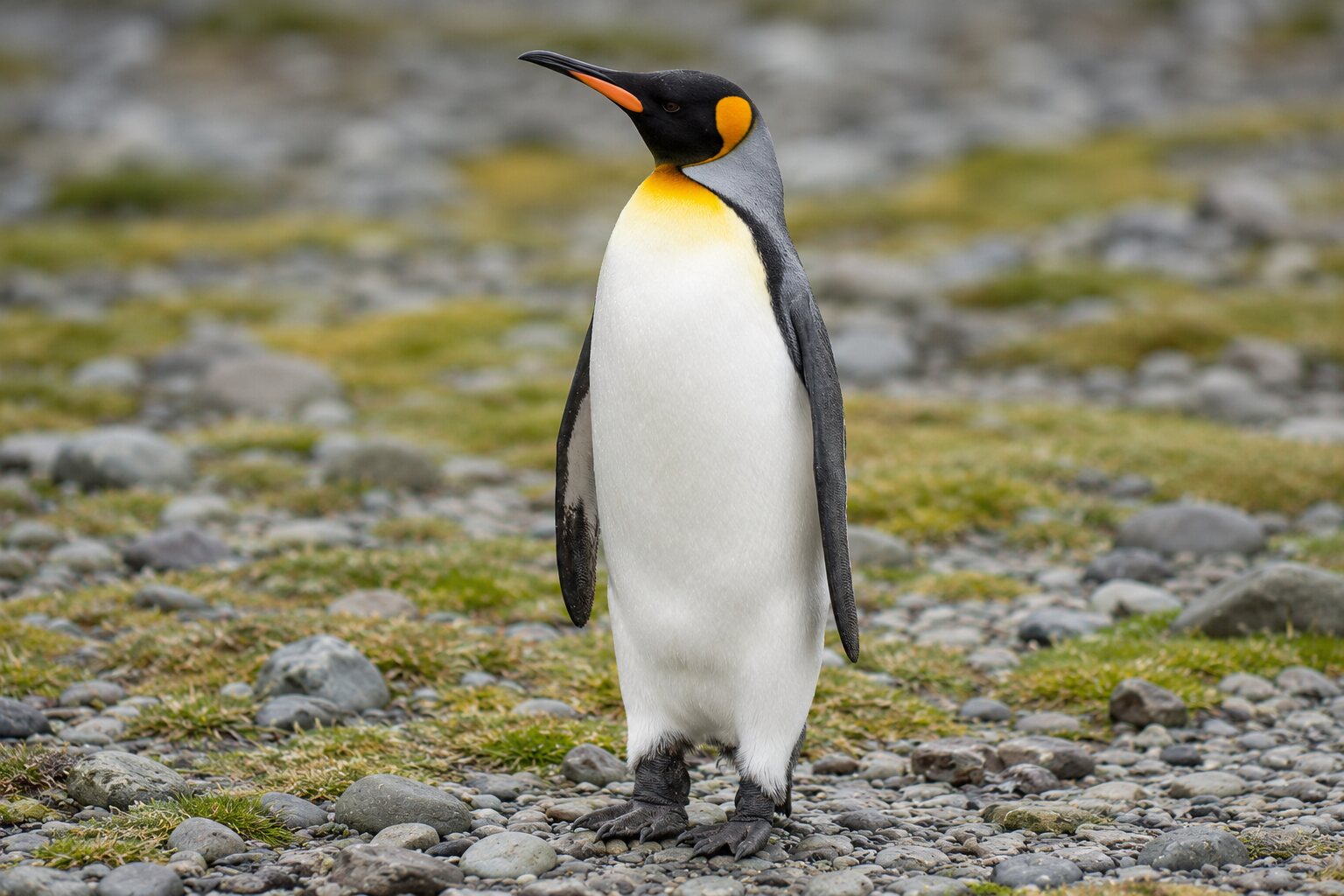
Second only to the emperor, with vivid orange ear patches. Kings form vast, year-round colonies on sub-antarctic islands and take over a year to fledge a chick.
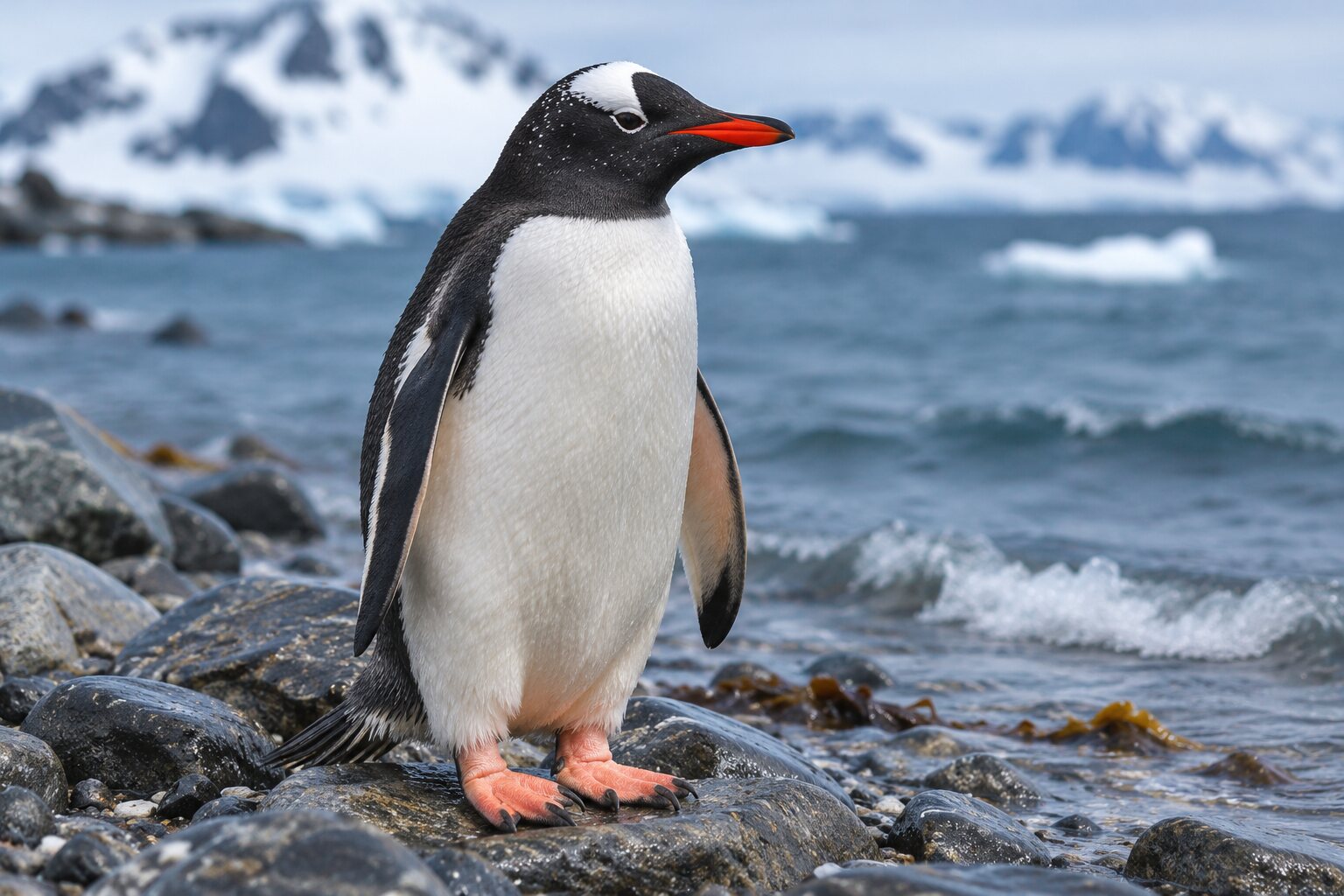
A white-bonnet marking and bright orange bill set the gentoo apart — and it is the fastest swimmer of all penguins, clocking bursts over 30 km/h underwater.
Stiff-tailed penguins that nest in noisy summer rookeries on and around the Antarctic continent.
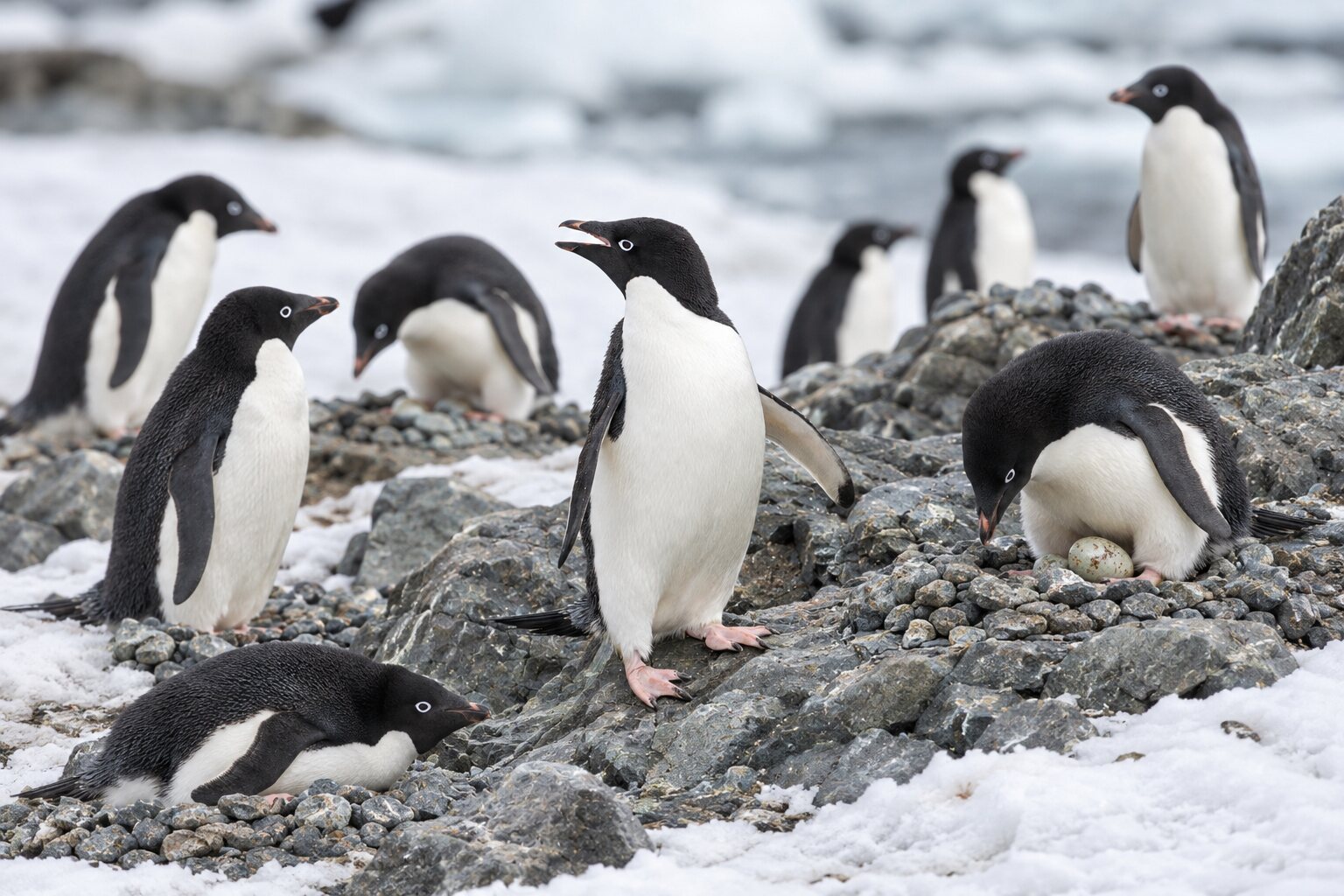
The classic tuxedoed penguin with a white eye-ring, nesting in stone-lined scrapes right around Antarctica.
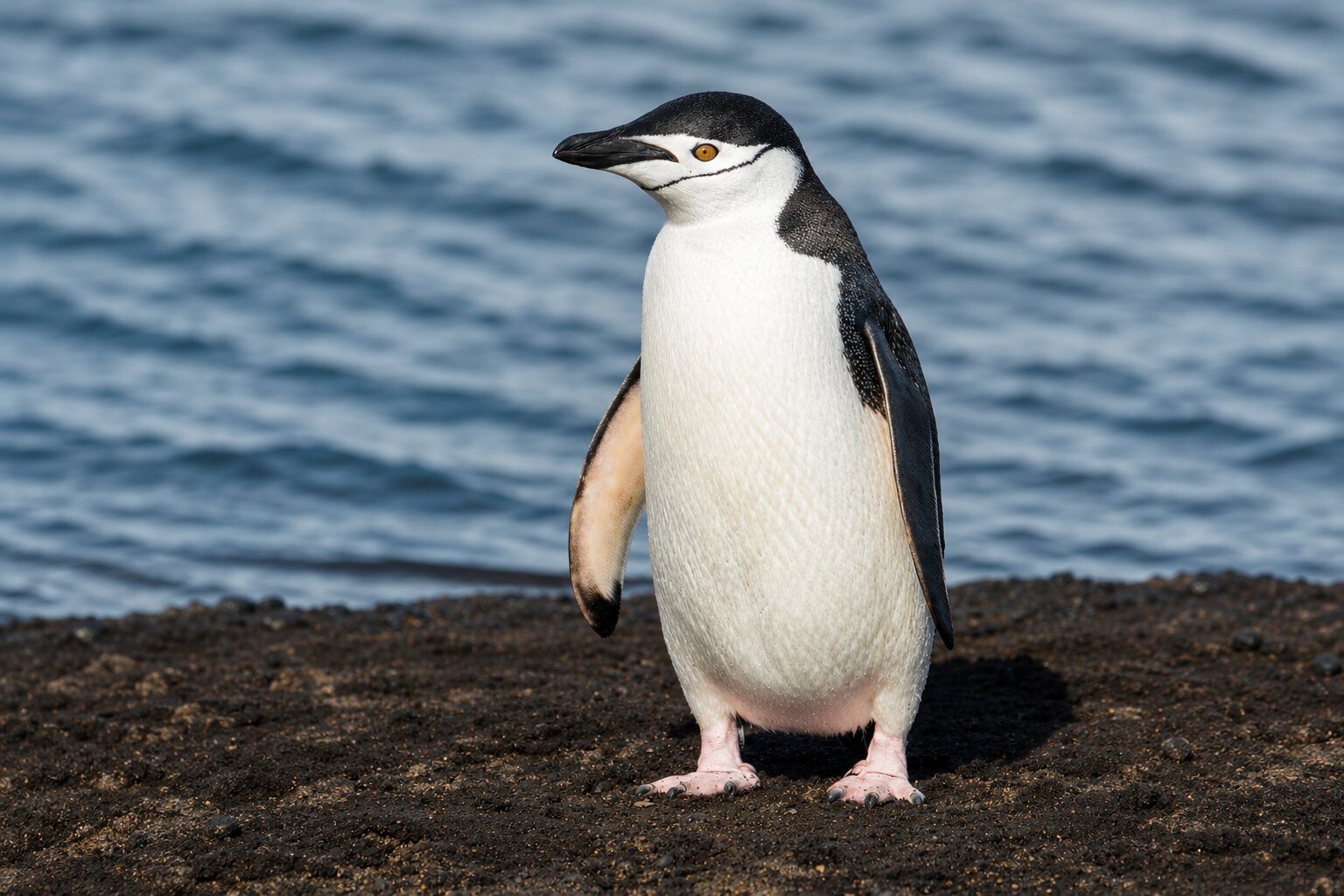
Named for the thin black line under its chin, this bold penguin climbs steep slopes to nest in enormous colonies.
Burrow-nesting penguins of temperate and tropical coasts, marked by bold black bands across the chest.
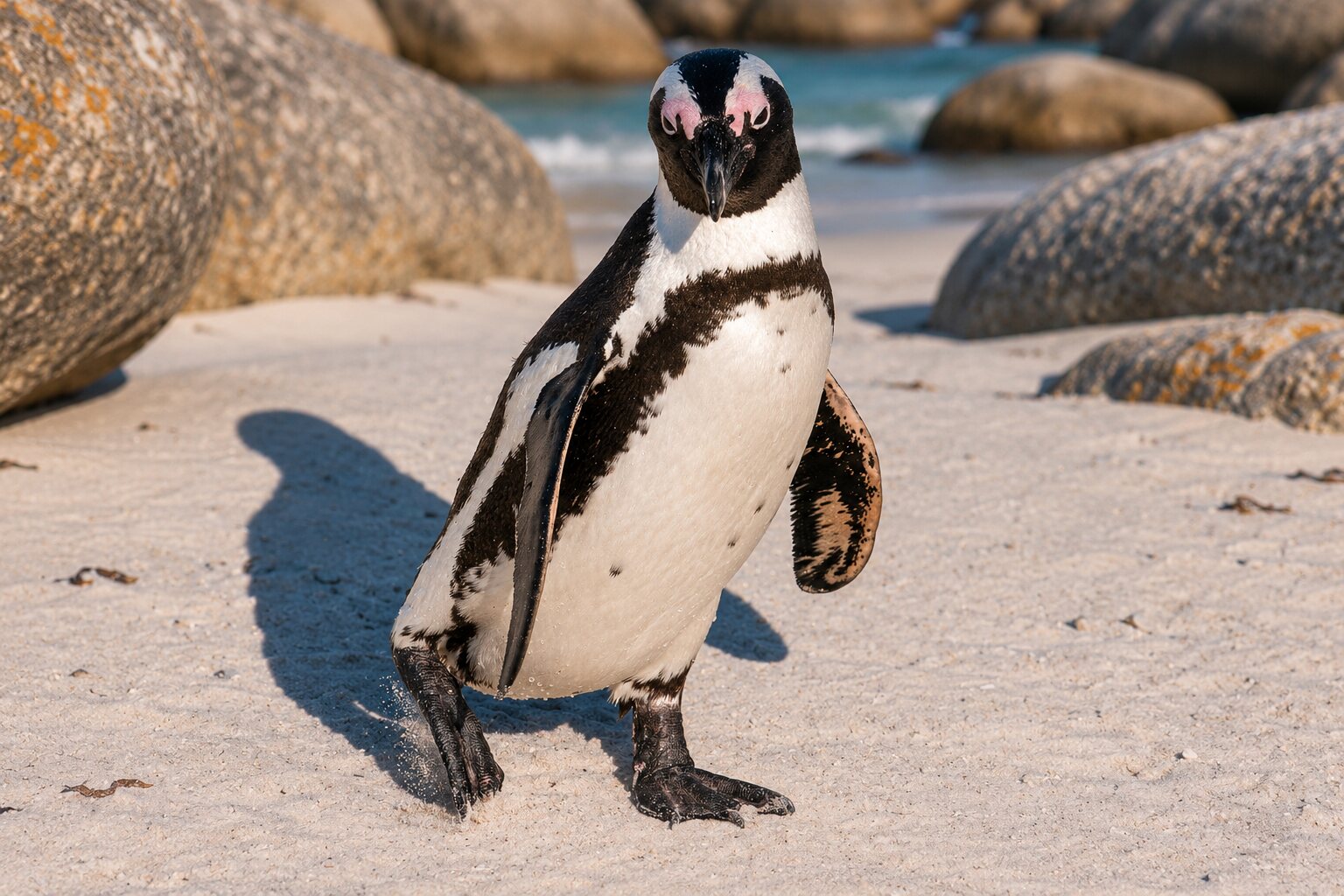
Southern Africa's only penguin, famous at Boulders Beach near Cape Town — and now critically endangered.
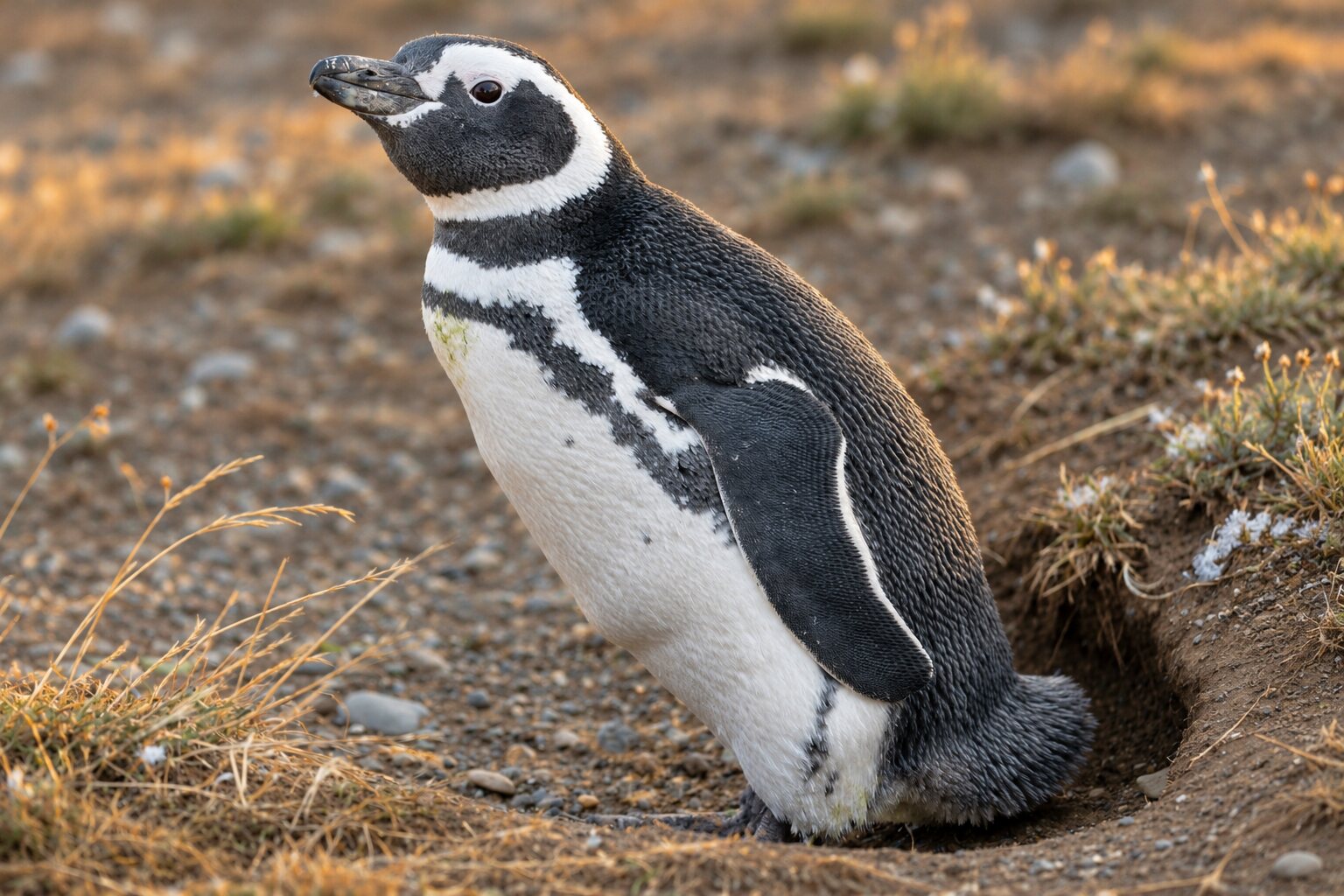
Patagonia's burrow-nester, gathering in the hundreds of thousands at colonies like Punta Tombo in Argentina.
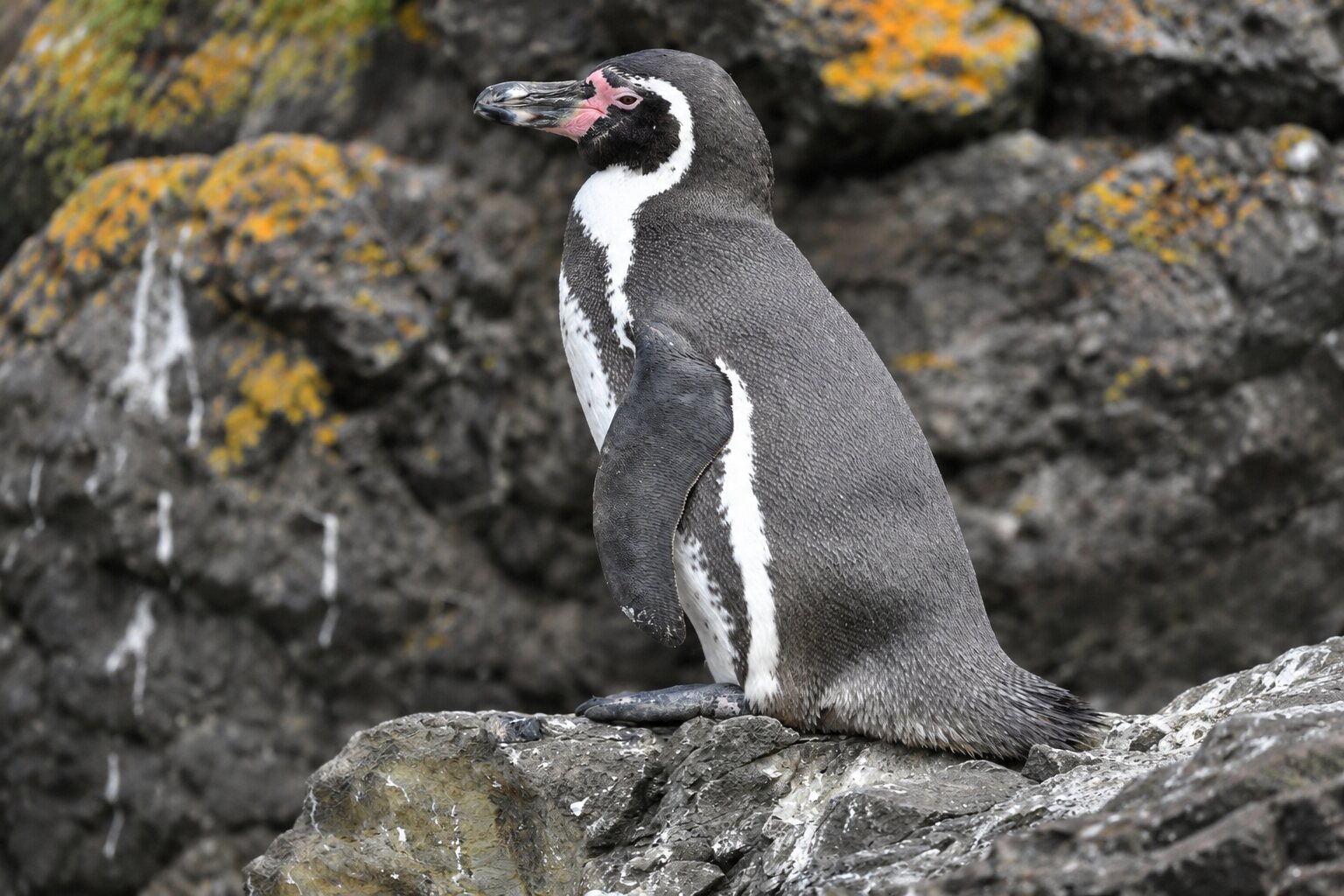
Named for the cold current it fishes, this penguin breeds on the arid coasts and islands of Peru and Chile.
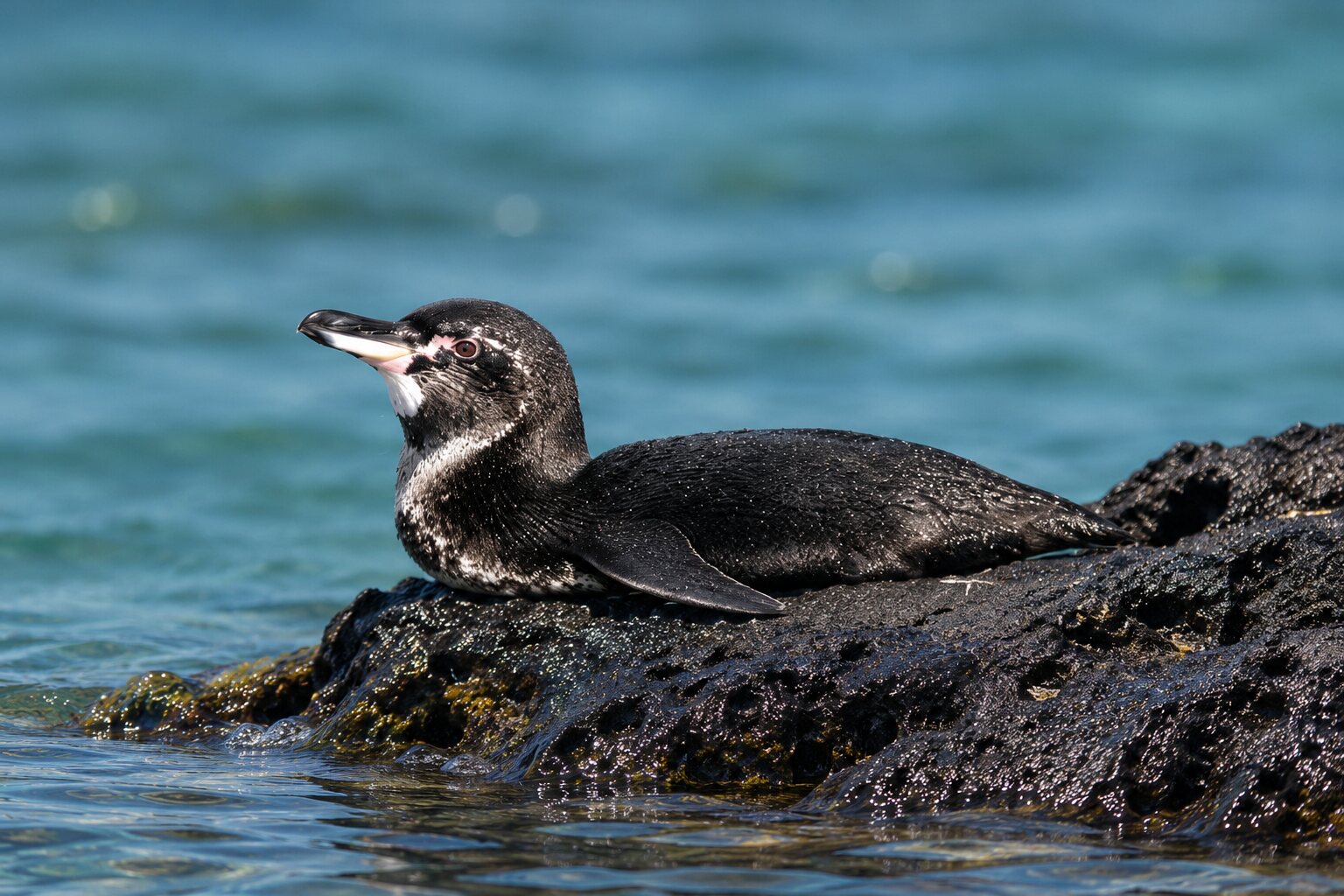
The only penguin found north of the equator, and the rarest, surviving on cool upwellings around the Galápagos.
Rock-hopping penguins with flamboyant yellow eyebrow crests and fierce red eyes.
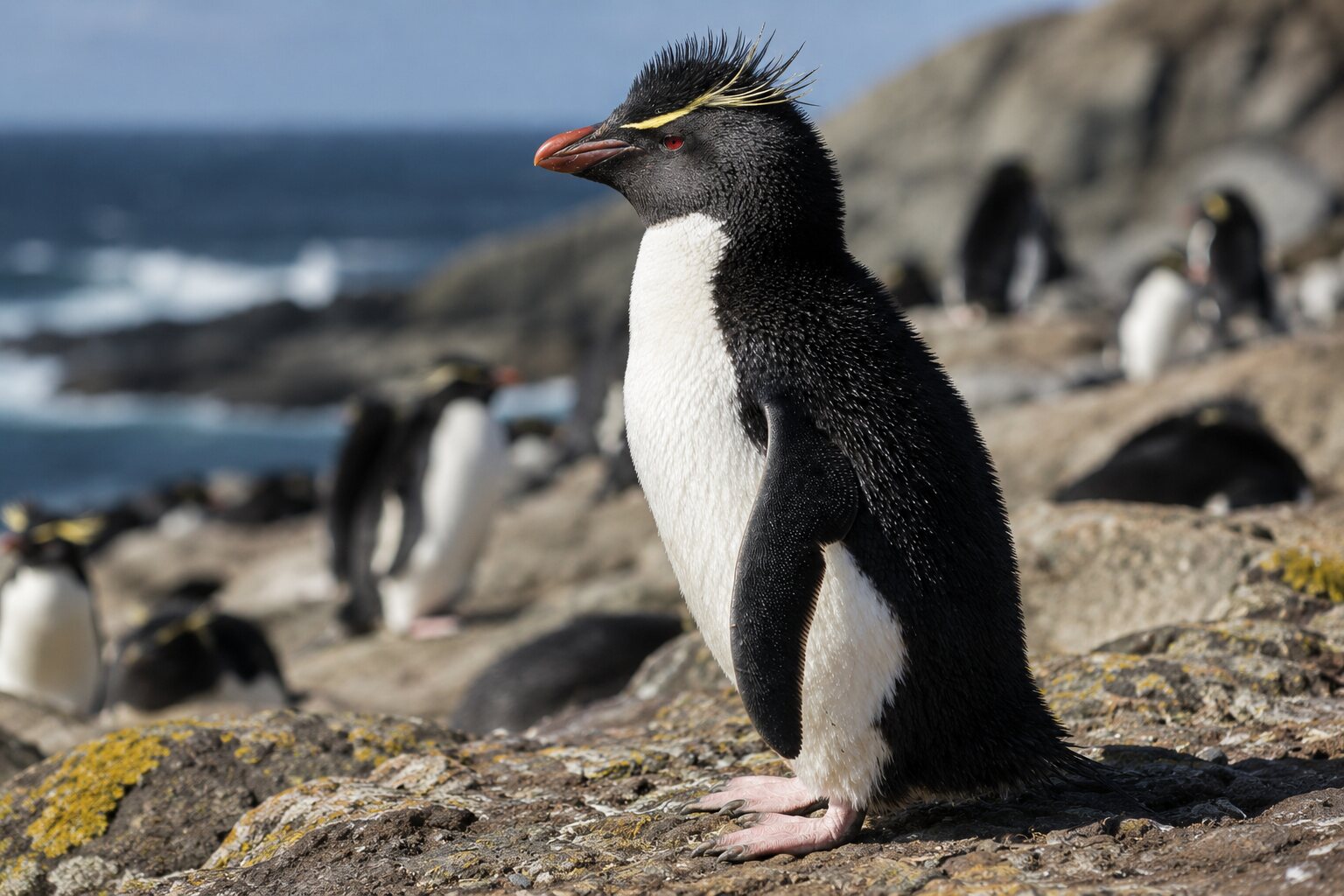
Small and pugnacious, bouncing over boulders with both feet to reach cliff-top colonies.
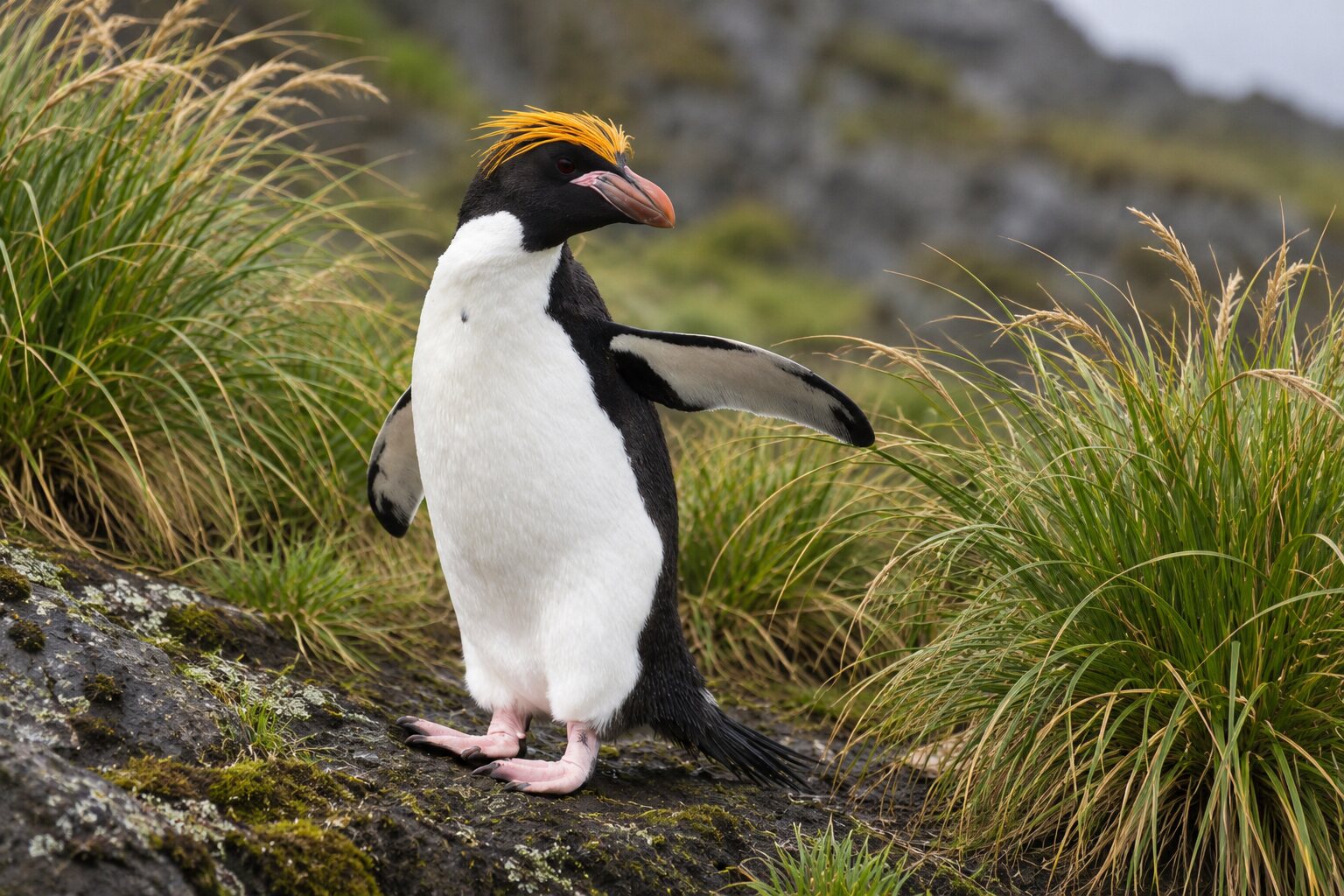
One of the world's most numerous penguins, with sweeping orange head plumes that meet between the eyes.
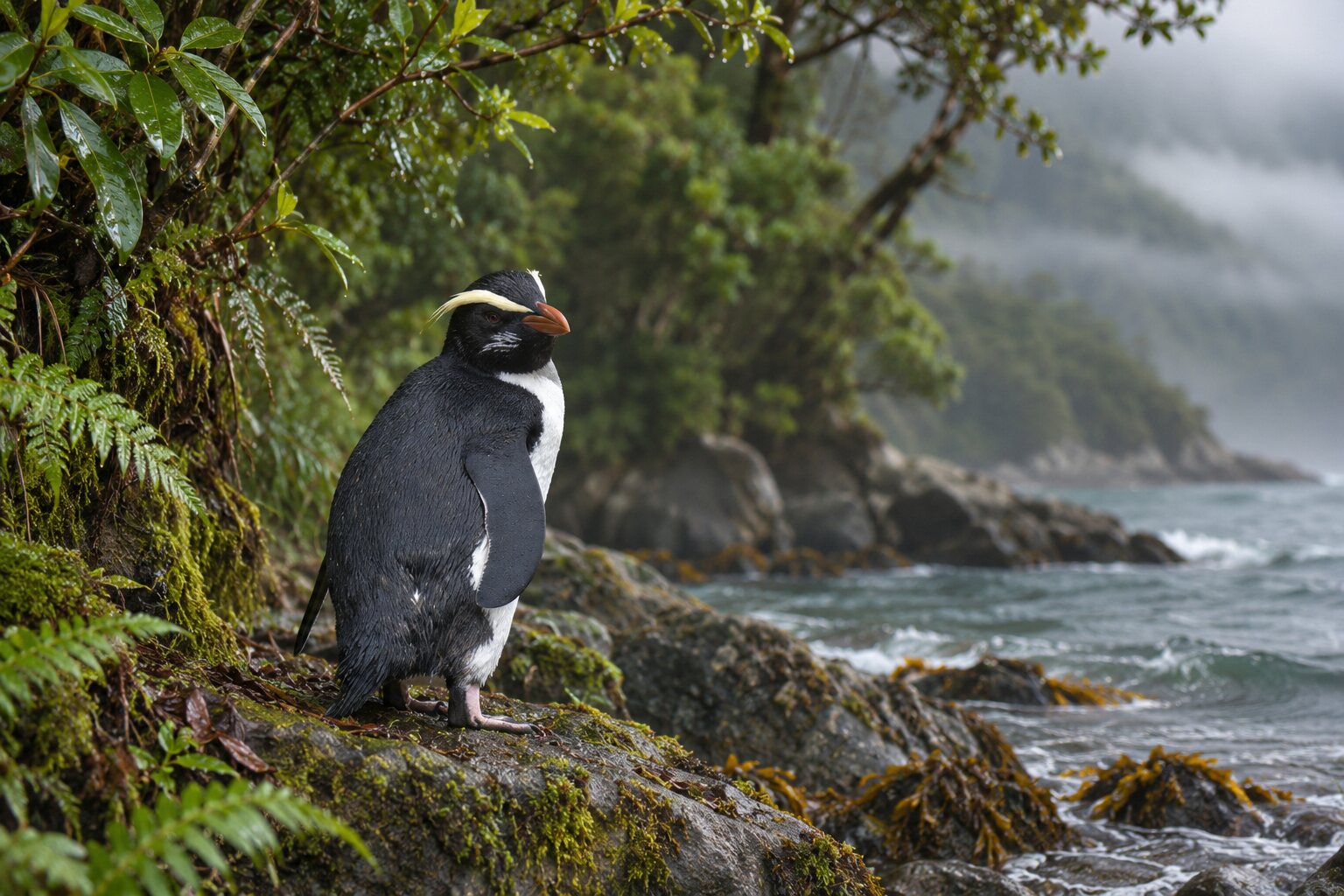
A shy, forest-nesting crested penguin from the rainforest coasts of New Zealand's South Island.
Two one-of-a-kind penguins from Australia and New Zealand — including the species you can watch at the Phillip Island Penguin Parade.
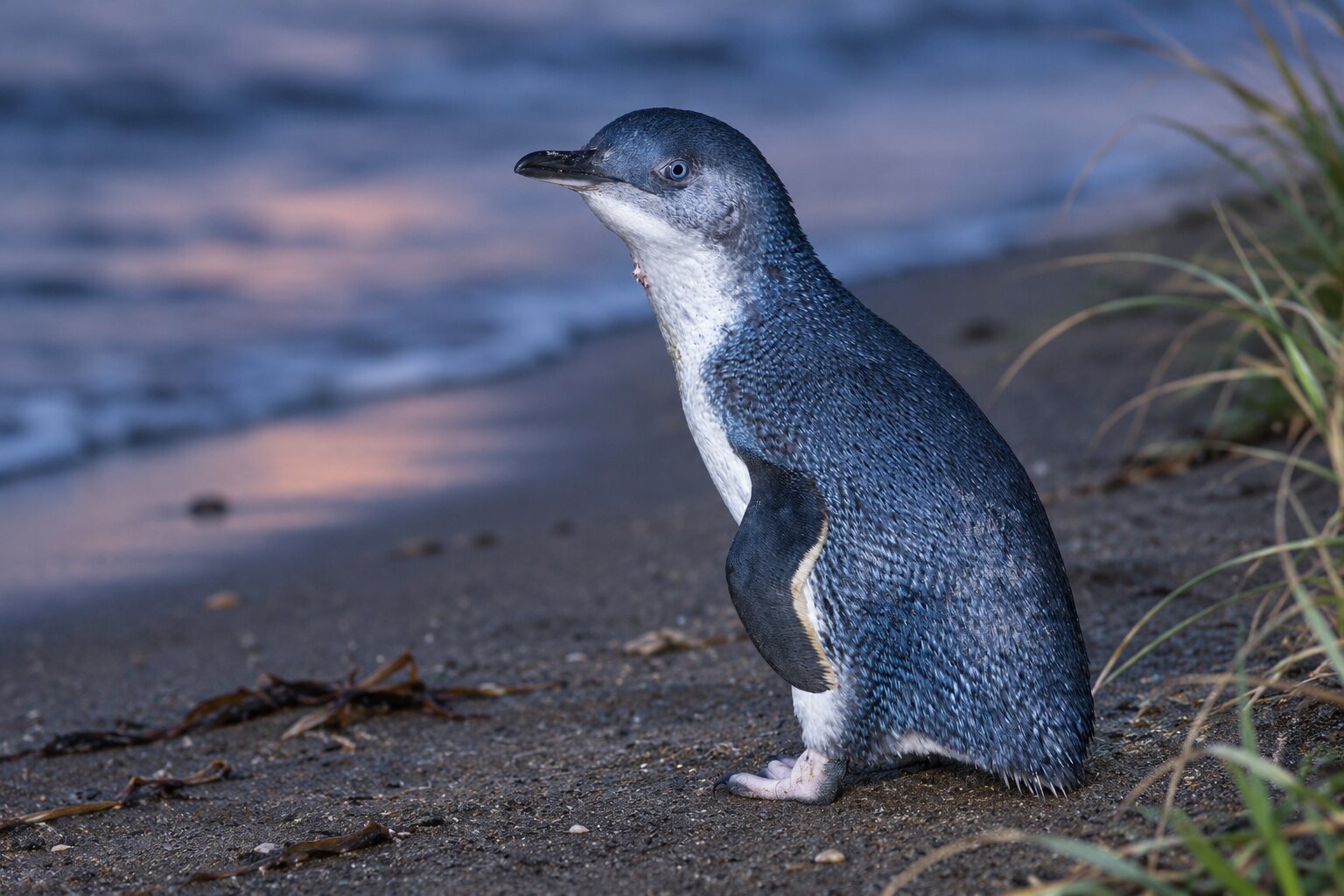
The smallest penguin on earth, slate-blue above and barely a foot tall. It comes ashore after dark — most famously in the thousands at Phillip Island.
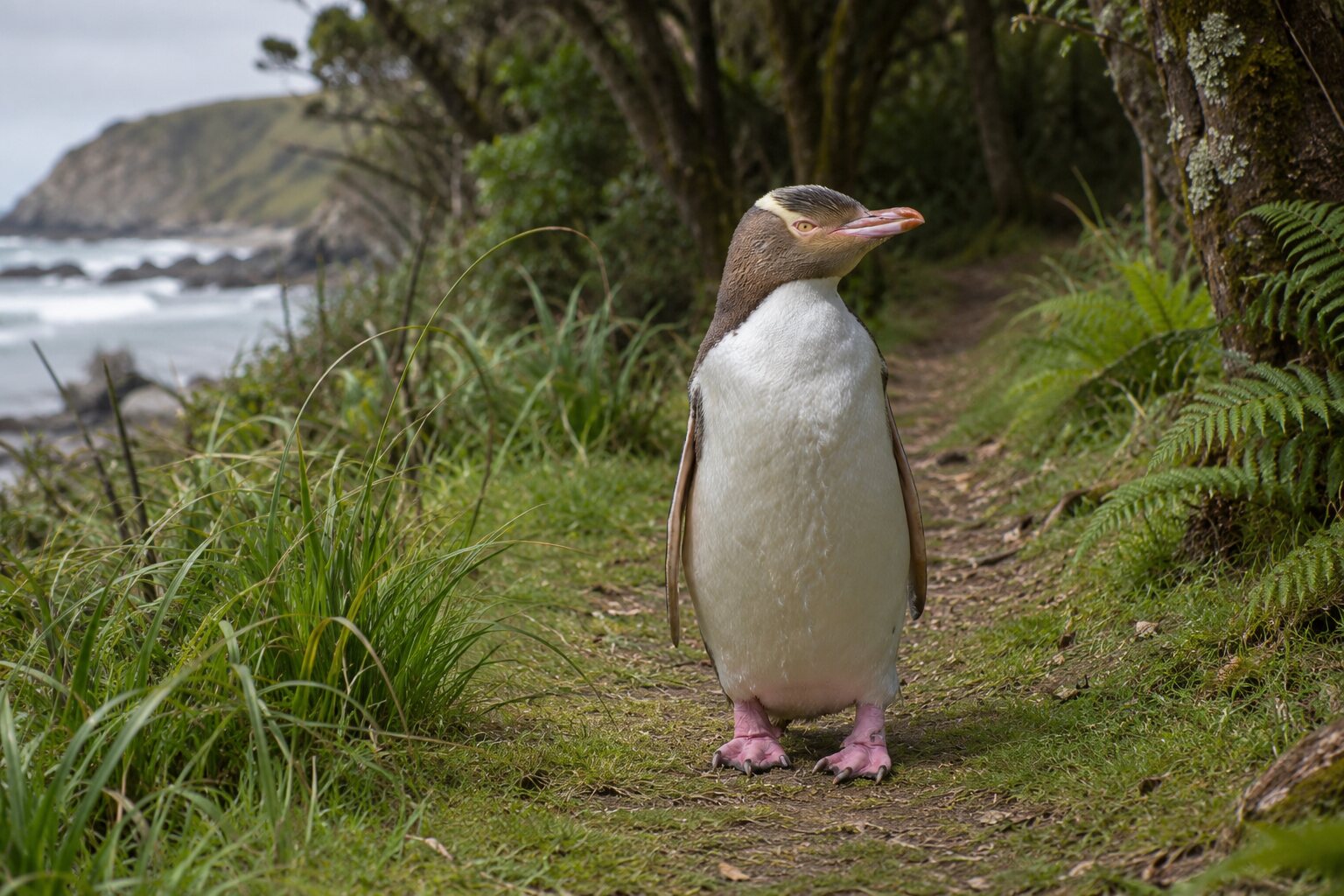
A pale-eyed, forest-edge penguin of New Zealand — solitary, secretive and one of the rarest penguins in the world.
Each species has its strongholds. Our guide maps the wild colonies you can actually reach, season by season.
Where to see penguins